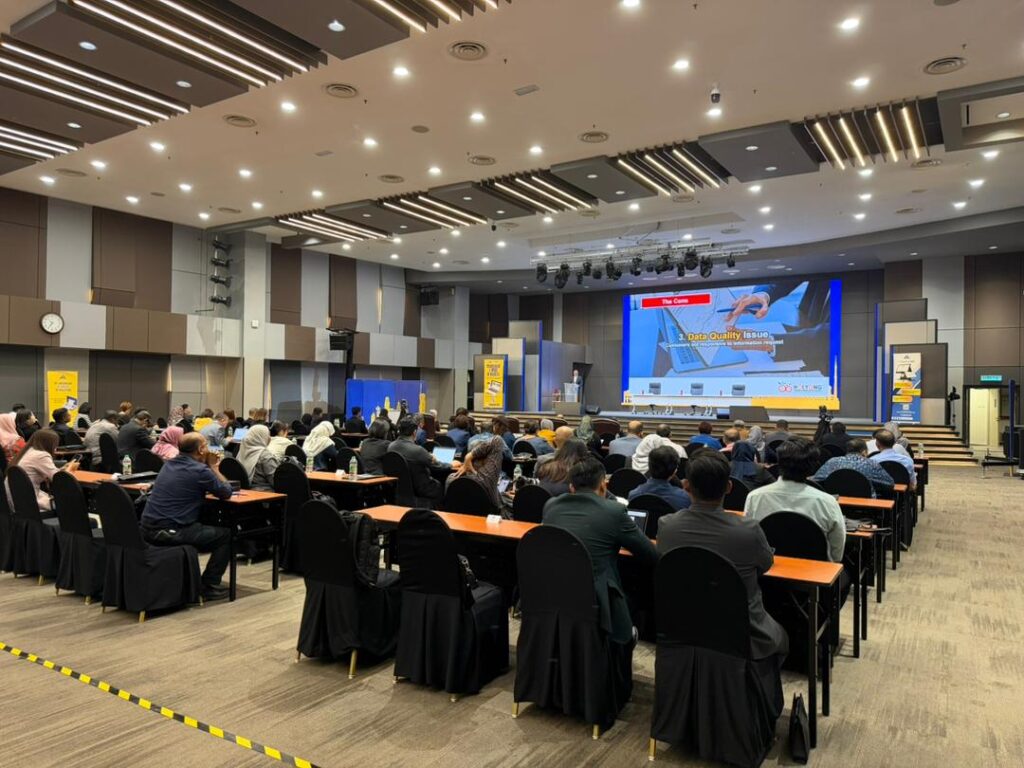
As Malaysia is moving steadily towards a digital-first economy, businesses nationwide are adjusting to a major milestone: the LHDN (Inland Revenue Board) e-Invoicing system.
Recently, Sin Chew Daily highlighted that the upcoming Phase 4 of this rollout, which will affect approximately 130,000 taxpayers starting January 2026. Hoi Yong Fruits Marketing Sdn Bhd was featured as a real-time example of how the wholesale and distribution industry is adapting to these new digital requirements.

Wow much cool, such elegant
“The biggest hurdle isn’t the software—it’s the habit of data collection. But once the foundation is set, it makes the whole economy more efficient.” — Aaron Kok
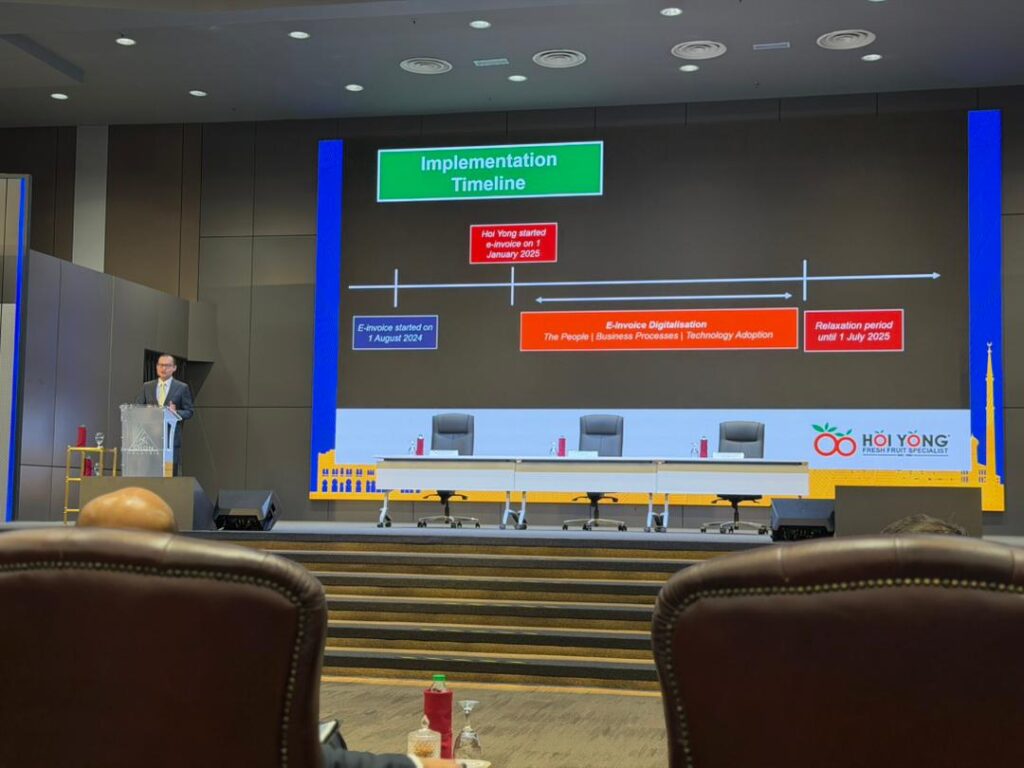
Our Director, Aaron Kok, shared that while the transition involves a learning curve, it is a necessary step for long-term growth. Key areas of this focus include:
- Data Accuracy: Shifting focus towards collecting precise Tax Identification Numbers (TIN) and customer data.
- Staff Empowerment: Using the transition as an opportunity to upskill our team in digital financial tools.
- Leveraging Support: Utilizing government initiatives, such as HRD Corp grants and the provided grade periods to ensure a smooth system upgrade.

From left to right: Annie Liong (Associate Director, ANC Group), Aaron Kok (Director, Hoi Yong Fruits), YBhg. Datuk Dr. Abu Tariq bin Jamaluddin (Chief Executive Officer, LHDN), YBrs. En. Shaharuddy bin Othman (Deputy Chief Executive Officer, Tax Operations), YBrs. En. Marsidi bin Zelika (Chief Officer of Tax Operations Sector), YBrs. Dr. Rasyidah binti Che Rosli (Director of E-Invoice Division, Tax Operations Sector)
Why is this change happening?
The transition to e-invoicing is designed to enhance transparency, reduce manual paperwork and to standardize tax reporting across Malaysia. It moves the country towards a more modern, efficient business ecosystem.
What This Will Mean for Our Partners
For our customers and partners, this means more secure digital records, easier tax compliance and the same reliable service you’ve always expected from Hoi Yong Fruits which are now backed by a more efficient backend system.
With Hoi Yong Fruits, you can expect:
- Digital invoices may now include QR codes or electronic references.
- Requests for an official invoice may take a slightly different format.
- Overall, the move improves record-keeping, traceability and compliance.
Like many SMEs, Hoi Yong Fruits continue to learn, adjust and refine our internal processes as system evolves. We strongly believe that by sharing real experiences (and not just technical guidelines) helps everyone understand what this transition truly looks like in practice.
🍎 从纸质到数码:海洋生果如何应对马来西亚电子发票转型
随着马来西亚稳步迈向数码优先经济,全国企业正迎来一个重要的里程碑:内陆税收局(LHDN)电子发票(e-Invoicing)系统的实施。
近日,《星洲日报》重点报道了即将于 2026 年 1 月启动的第四阶段转型计划,届时将影响约 13 万名纳税人。海洋生果有限公司(Hoi Yong Fruits Marketing Sdn Bhd)作为批发与分销行业的代表,被引述为企业如何实时适应这些新数码要求的典型案例。
“最大的挑战不在于软件,而在于收集资料的习惯。但只要基础打好,整个经济体系将变得更高效。” —— 郭镓建 (Aaron Kok)
我们的董事郭镓建先生分享道,虽然转型过程存在学习曲线,但这是实现长期增长的必要步骤。我们的核心重点包括:
-
数据准确性: 将重点转向收集精确的税务识别码(TIN)和客户资料。
-
赋能员工: 借此转型契机,提升团队操作数码财务工具的技能。
-
善用支持: 利用政府举措,如 HRD Corp 培训补助金和当局提供的宽限期,以确保系统平稳升级。
为什么要进行这项变革?
推行电子发票旨在提高税务透明度、减少繁琐的纸质作业,并统一全马的税务申报标准。这将推动国家迈向更现代、更高效的商业生态系统。
这对合作伙伴意味着什么?
对于我们的客户和合作伙伴而言,这意味着更安全的数码记录、更简便的税务合规流程,以及海洋生果一如既往的可靠服务——而这一切现在都有了更高效的后台系统作为支撑。
海洋生果的客户与合作伙伴可以期待:
-
数码发票: 现在可能包含二维码(QR Code)或电子参考编号。
-
发票格式: 索取正式发票的流程和格式可能略有不同。
-
整体提升: 这一举措提升了记录管理、追溯能力和合规性。
与许多中小企业一样,海洋生果在系统演进的过程中持续学习、调整并优化我们的内部流程。我们坚信,通过分享真实的实践经验(而非仅仅是技术指南),能帮助大家更好地理解这场转型在现实营运中的真正面貌。
阅读《星洲日报》原文报道: 👉 点击此处阅读